





Artificial intelligence has moved far beyond simple chatbots or experimental tech tools. It now plays a quiet but constant role in everyday life, shaping how people communicate, travel, work, learn, shop, and even take care of their health. Most of the time, it operates in the background, so its impact is easy to miss. From managing personal routines to handling complex data-driven decisions, AI systems are built into apps, devices, and services that millions of people already use without thinking about it. The following examples show 20 practical ways artificial intelligence is already being used in daily life, often in ways people don’t fully notice.
1. Voice Assistants as Daily Helpers

Voice assistants like Siri, Alexa, and Google Assistant use artificial intelligence to handle everyday tasks through simple voice commands. They can answer questions, set reminders, control smart home devices, play music, and provide real-time updates such as weather and traffic. These systems rely on natural language processing to understand spoken requests and respond conversationally. Over time, they learn user preferences and improve accuracy. This makes them practical tools for managing routine activities without needing manual input, especially in homes, cars, and mobile devices, where hands-free convenience is valuable in daily life situations and multitasking environments.
2. Smartphones Becoming AI Hubs

Modern smartphones are deeply powered by artificial intelligence across many functions. AI enhances camera performance by adjusting lighting, recognizing scenes, and improving image quality automatically. It also filters spam calls and emails, predicts text while typing, and improves battery usage by learning user habits. Voice assistants integrated into phones rely on AI for natural interaction. Even app recommendations and search results are personalized through machine learning. This continuous background intelligence makes smartphones more responsive and adaptive, turning them into smart personal devices that adjust to individual behavior patterns and improve usability without requiring users to manually configure settings constantly over time.
3. Smart Homes and Automation
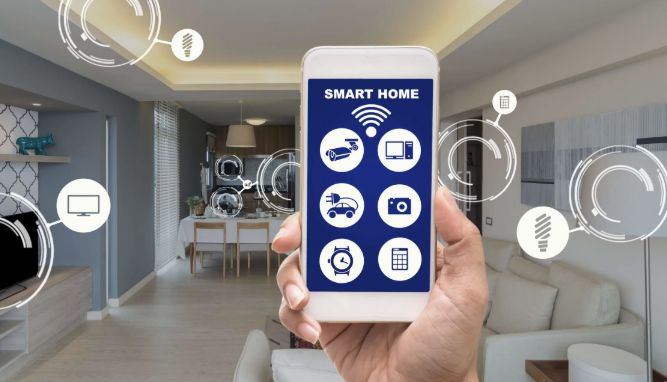
Artificial intelligence plays a major role in smart home systems, making daily living more efficient and automated. AI connects devices like lights, thermostats, security cameras, and appliances through the Internet of Things. It can adjust temperature based on user habits, turn lights on or off depending on presence, and improve energy efficiency. Security systems use AI to detect unusual activity and send alerts. Smart speakers also act as control centers for all connected devices. This integration creates a living environment that responds automatically to routines, offering comfort, safety, and convenience while reducing the need for manual control of household functions.
4. Personalized Social Media and Shopping Feeds

Artificial intelligence powers the recommendation systems behind social media platforms and online shopping websites. It analyzes user behavior such as clicks, likes, searches, and watch time to predict what content or products might be most relevant. This results in personalized feeds that continuously adapt to individual preferences. On social platforms, AI selects posts, videos, and ads tailored to engagement patterns. In e-commerce, it suggests products based on browsing history and previous purchases. These systems aim to increase relevance and engagement by filtering large amounts of content into a highly customized experience that feels uniquely designed for each user’s interests and habits.
5. Smarter Navigation and Travel
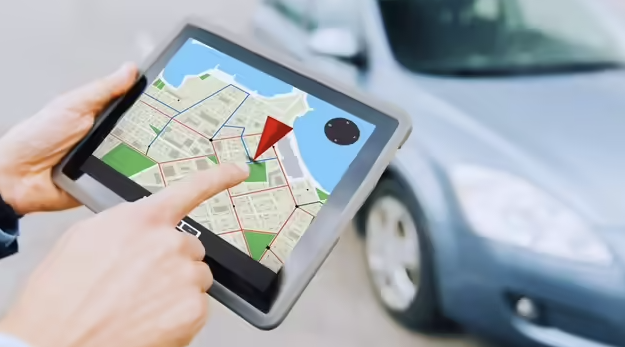
Navigation apps like Google Maps use artificial intelligence to improve travel efficiency by analyzing real-time traffic, road conditions, and user movement patterns. AI helps determine the fastest and safest routes while continuously updating directions based on changing conditions. It can suggest alternative paths during congestion or accidents and estimate arrival times more accurately. Over time, these systems learn from large datasets of travel behavior to improve predictions. AI also supports ride-sharing services and logistics planning. This makes transportation more efficient, reducing delays and improving decision-making for drivers, commuters, and delivery systems operating in complex and constantly changing environments.
6. Cybersecurity and Data Protection

Artificial intelligence is widely used in cybersecurity to detect threats and protect sensitive information. It monitors network activity to identify unusual behavior that may indicate hacking attempts, phishing, or malware attacks. AI systems can respond in real time by blocking suspicious access or alerting security teams. They also analyze large volumes of data to recognize patterns that humans might miss. In email systems, AI filters spam and dangerous messages automatically. These capabilities help organizations and individuals maintain stronger digital security by continuously adapting to new threats and improving detection accuracy through machine learning models trained on global cybersecurity data.
7. AI in Education and Learning
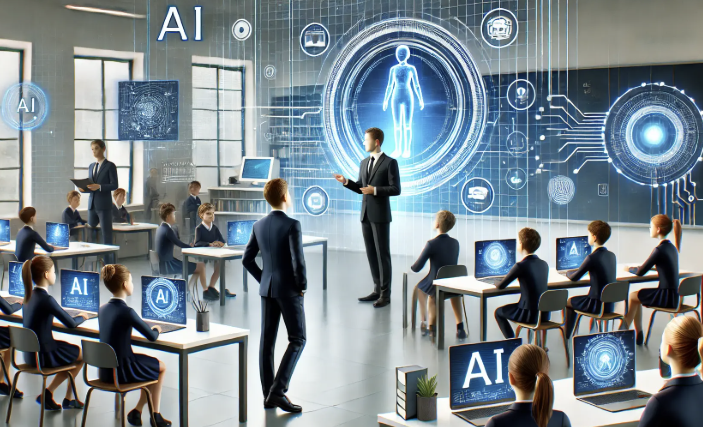
Artificial intelligence is changing education by making learning more personalized and interactive. AI-based platforms can adjust lessons based on student performance, identifying strengths and weaknesses to provide tailored support. It also helps create digital learning materials, quizzes, and interactive simulations that improve engagement. Language learning apps use AI to correct pronunciation and grammar in real time. Teachers also benefit from automated grading systems and administrative support tools. This technology allows education to become more flexible and adaptive, helping learners progress at their own pace while improving access to quality educational resources across different subjects and skill levels worldwide.
8. Facial Recognition Technology
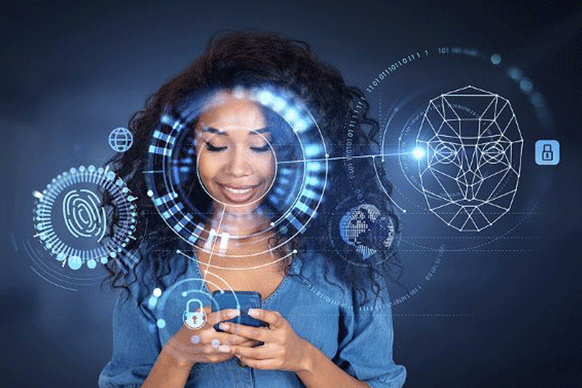
Facial recognition is an artificial intelligence application used for identity verification and security purposes. It works by analyzing unique facial features and matching them against stored data. This technology is commonly used in smartphones, airports, and secure facilities for quick authentication. It improves convenience by replacing passwords and physical IDs in many cases. However, it also raises discussions around privacy and data protection. AI continuously improves recognition accuracy by learning from large image datasets. It is also used in surveillance systems and access control, making it a powerful tool for both security enhancement and identity management in digital and physical environments.
9. AI in Agriculture and Healthcare
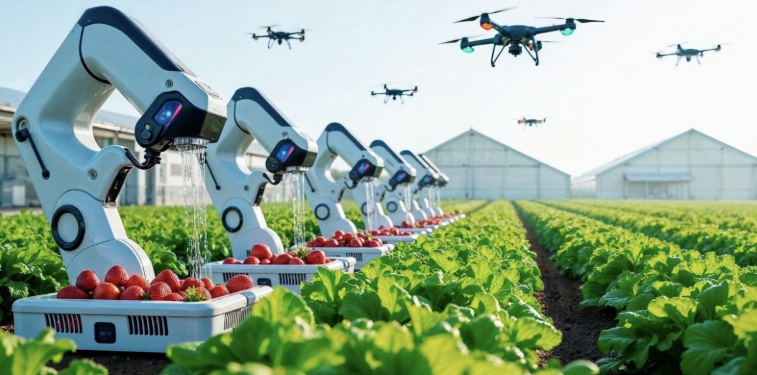
Artificial intelligence is transforming both agriculture and healthcare by improving efficiency and decision-making. In agriculture, AI analyzes soil conditions, weather patterns, and crop health to help farmers optimize planting and harvesting. It can detect pests and diseases early, reducing crop loss and improving yield. In healthcare, AI assists in diagnosing diseases, analyzing medical images, and predicting patient risks. It also supports drug discovery and treatment planning. These systems process large amounts of data quickly, helping professionals make more accurate decisions. This leads to improved productivity in farming and better outcomes in medical care through advanced predictive and analytical capabilities.
10. Email Spam Filtering Systems
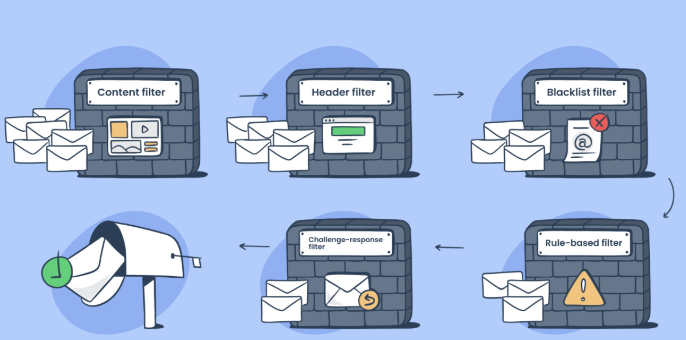
AI-powered spam filters play a crucial role in managing email communication by automatically detecting unwanted or harmful messages. These systems analyze sender behavior, message content, and patterns to classify emails as legitimate or spam. Machine learning allows them to improve over time by learning from user actions such as marking emails as spam or important. This helps reduce phishing attempts, scams, and inbox clutter. AI also identifies suspicious attachments and links that may contain malware. As a result, users experience cleaner, safer inboxes with improved organization and reduced risk of falling victim to email-based cyber threats and digital fraud attempts.
11. Personalized Diet Planning

Artificial intelligence is used in nutrition apps to create personalized diet plans based on user goals, health conditions, and eating habits. These systems analyze food intake, calorie needs, and nutritional balance to recommend meals that match individual requirements. AI can track progress over time and adjust suggestions accordingly. Some apps also consider allergies, fitness levels, and lifestyle preferences. By processing large nutritional datasets, AI provides structured guidance that helps users make healthier food choices. This technology supports better weight management, improved nutrition awareness, and more consistent eating habits tailored specifically to each person’s biological and behavioral patterns in daily life.
12. AI-Generated Music Creation

Artificial intelligence can now create music by analyzing patterns in rhythm, melody, and style. It learns from large music datasets to generate original compositions that match specific genres or moods. Users can input preferences, and AI produces customized tracks for entertainment, content creation, or personal use. Some tools also assist musicians by suggesting harmonies or improving compositions. This technology expands creative possibilities by making music production more accessible. It allows both professionals and beginners to experiment with sound design without requiring advanced musical training, while still producing high-quality audio output tailored to specific artistic or emotional requirements.
13. Resume and CV Enhancement
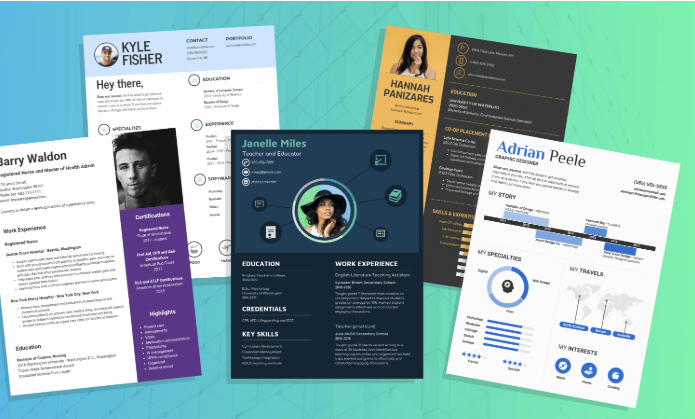
Artificial intelligence is widely used in career tools that help improve resumes and CVs. These systems analyze job descriptions and suggest optimized wording, formatting, and keyword usage to increase the chances of passing automated recruitment filters. AI can highlight skills, restructure content, and tailor documents for specific job roles. It also provides feedback on clarity and presentation. This helps job seekers present their experience more effectively and professionally. By aligning resumes with industry standards and employer expectations, AI increases visibility in hiring systems and improves the overall quality of application materials used in competitive job markets across different industries.
14. Contextual Translation Tools
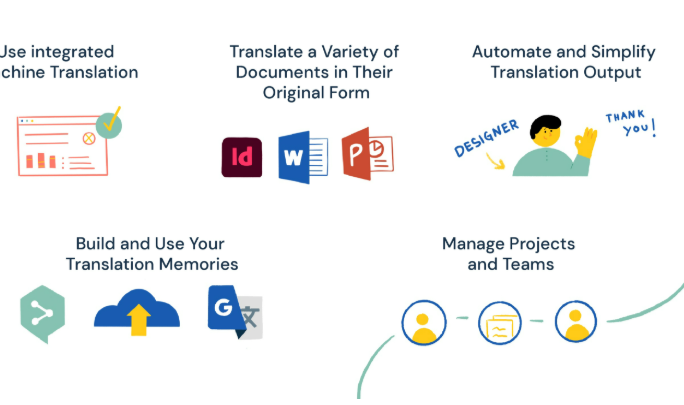
AI-powered translation systems provide accurate language conversion by understanding context rather than translating words directly. This allows for more natural and meaningful communication across different languages. These tools analyze sentence structure, tone, and cultural nuances to produce better results. They are used in apps, websites, and business communication platforms. AI translation supports real-time conversations, document conversion, and multilingual customer service. Over time, systems improve through machine learning and exposure to diverse language data. This makes global communication easier for individuals and organizations, reducing language barriers and enabling smoother interaction in travel, work, education, and international collaboration environments.
15. Personalized Fitness Training

Artificial intelligence is used in fitness apps to design customized workout plans based on user goals, physical condition, and progress. These systems analyze activity levels, heart rate, and performance data to adjust routines dynamically. AI can recommend exercises, track improvements, and suggest recovery periods. Some platforms also provide real-time feedback during workouts. This personalization helps users stay consistent and achieve results more efficiently. By adapting to individual needs, AI reduces the risk of injury and improves motivation. It creates structured fitness programs that evolve over time, making exercise more effective and aligned with personal health objectives and lifestyle patterns.
16. Automatic Video Editing
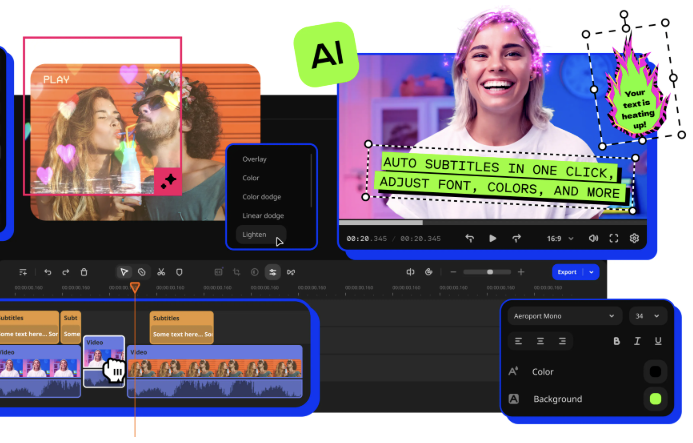
AI-powered video editing tools simplify content creation by automating tasks such as trimming clips, adding transitions, syncing music, and applying effects. These systems analyze footage to identify key moments and assemble them into coherent videos. They are widely used in social media platforms and content creation apps. AI can also suggest templates and styles based on content type. This reduces the time and technical skill required for video production. It allows users to create professional-looking videos quickly, making digital storytelling more accessible for individuals, marketers, and creators producing content across different online platforms and audiences.
17. Logo and Graphic Design Generation

Artificial intelligence assists in graphic design by generating logos, layouts, and visual assets based on user input. It analyzes brand names, industry types, and style preferences to create customized design options. AI tools can produce multiple variations quickly, allowing users to choose and refine their preferred version. This makes design more accessible for businesses and individuals without advanced design skills. It also supports creativity by offering inspiration and automated suggestions. These systems streamline branding processes, reduce design time, and help users develop professional visual identities for websites, products, and marketing materials efficiently and consistently.
18. Plagiarism Detection Systems
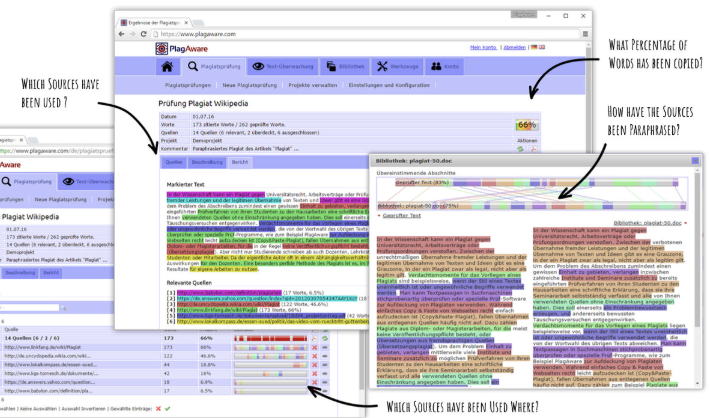
AI is widely used in plagiarism detection tools to ensure originality in academic and professional writing. These systems compare submitted text against large databases of published content to identify similarities. They highlight matched sections and provide similarity reports. Machine learning improves detection accuracy by recognizing paraphrased or restructured content. This helps maintain academic integrity and content authenticity. AI-based tools are used in schools, universities, and publishing industries. They support writers in producing original work and help organizations enforce content quality standards. This technology plays an important role in preventing intellectual property misuse and encouraging ethical writing practices.
19. Travel Planning and Recommendations

Artificial intelligence helps users plan trips by analyzing preferences, budgets, and travel history to suggest destinations, hotels, and activities. It can optimize itineraries by considering location, timing, and cost efficiency. AI systems also provide real-time updates on flights, weather, and local attractions. Some platforms personalize recommendations based on past travel behavior and user reviews. This simplifies decision-making and improves travel experiences. AI also assists in booking processes and route optimization. Processing large amounts of travel data, it creates more efficient and personalized trip planning, making travel more organized and aligned with individual interests and constraints.
20. Epidemic Prediction and Public Health
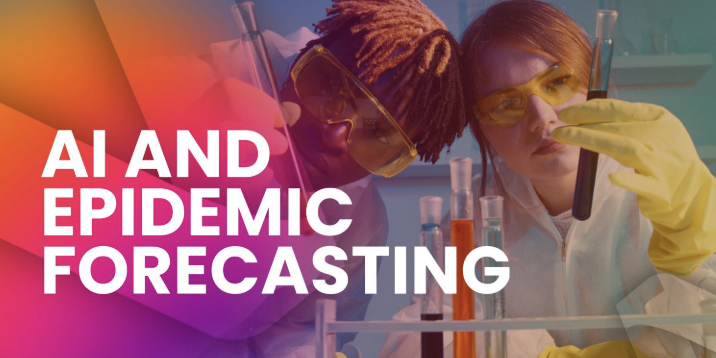
Artificial intelligence is used in public health to predict and monitor disease outbreaks by analyzing global data patterns. It processes information from healthcare reports, travel trends, and environmental factors to identify potential risks. AI systems can detect early signs of epidemics and help authorities respond faster. This improves preparedness and resource allocation during health emergencies. It also supports research in understanding disease spread and prevention strategies. By combining large datasets, AI provides insights that help reduce impact and improve response times. This technology plays a growing role in strengthening global health systems and supporting preventive healthcare planning.